Patagonia · Expeditions
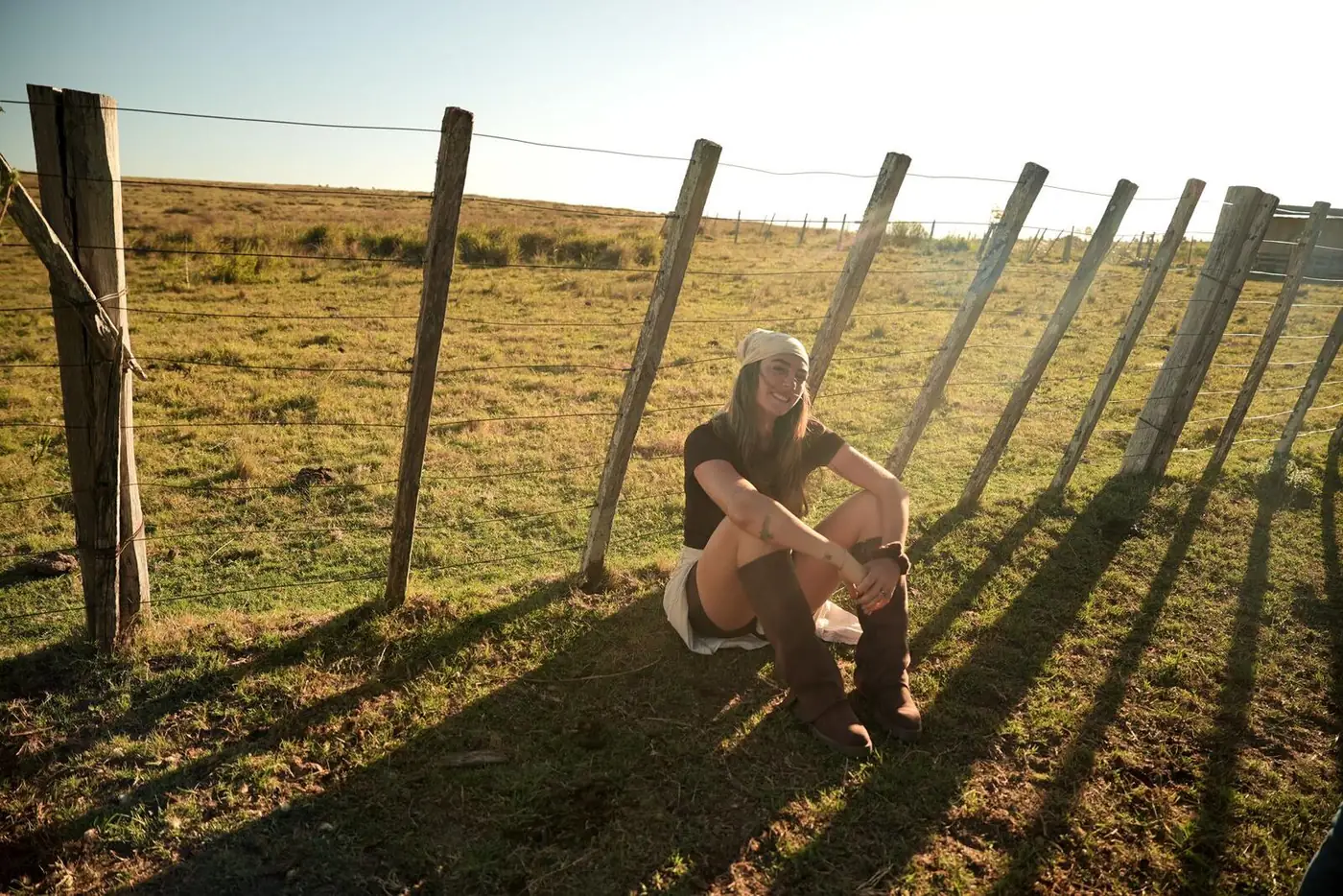
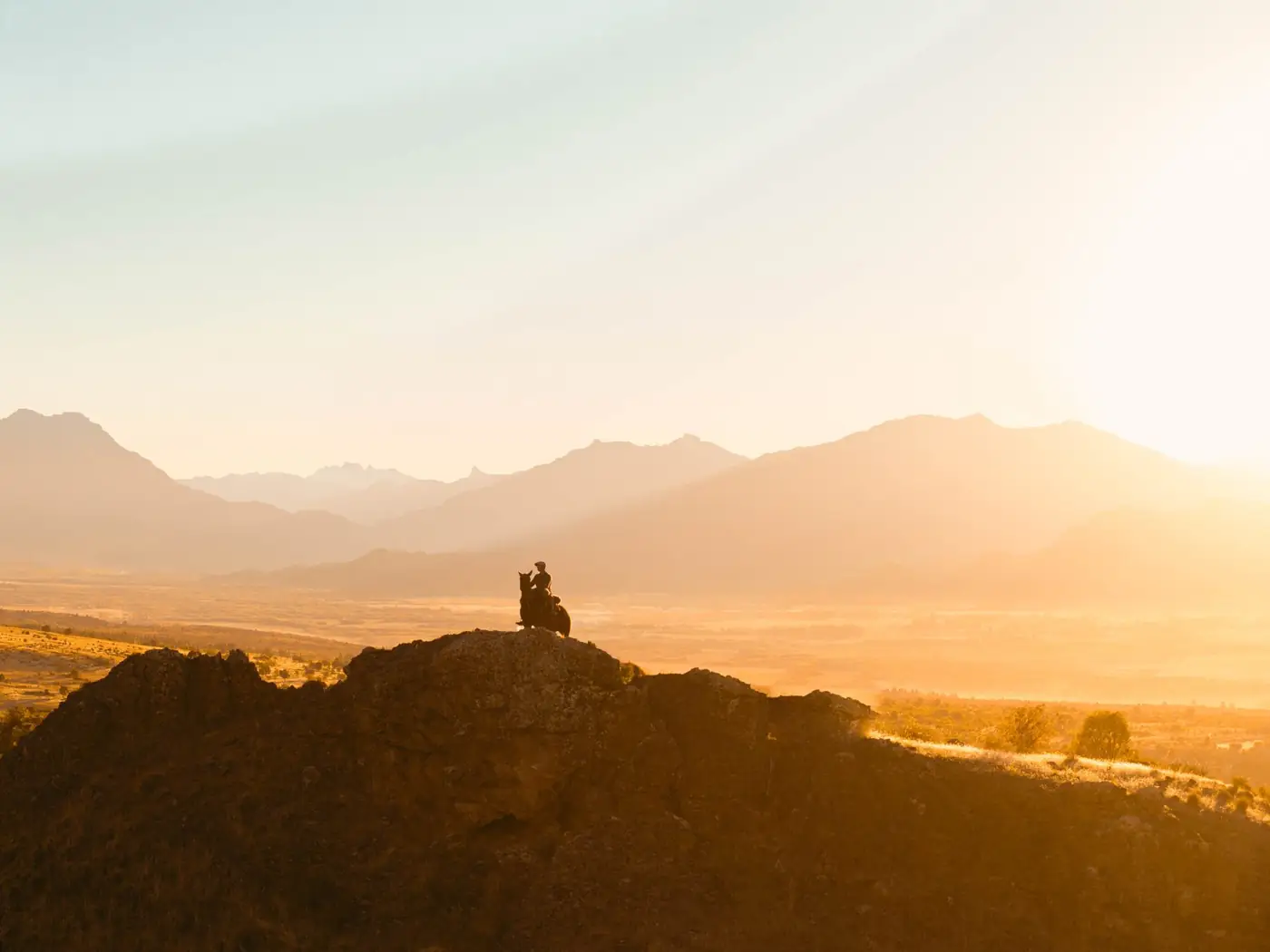
Most of Patagonia has no roads and no trails. The only way through it is the way people have crossed it for two hundred years: on a criollo horse that knows where to put its feet.
Read the full note
Expeditions · Solo Travel
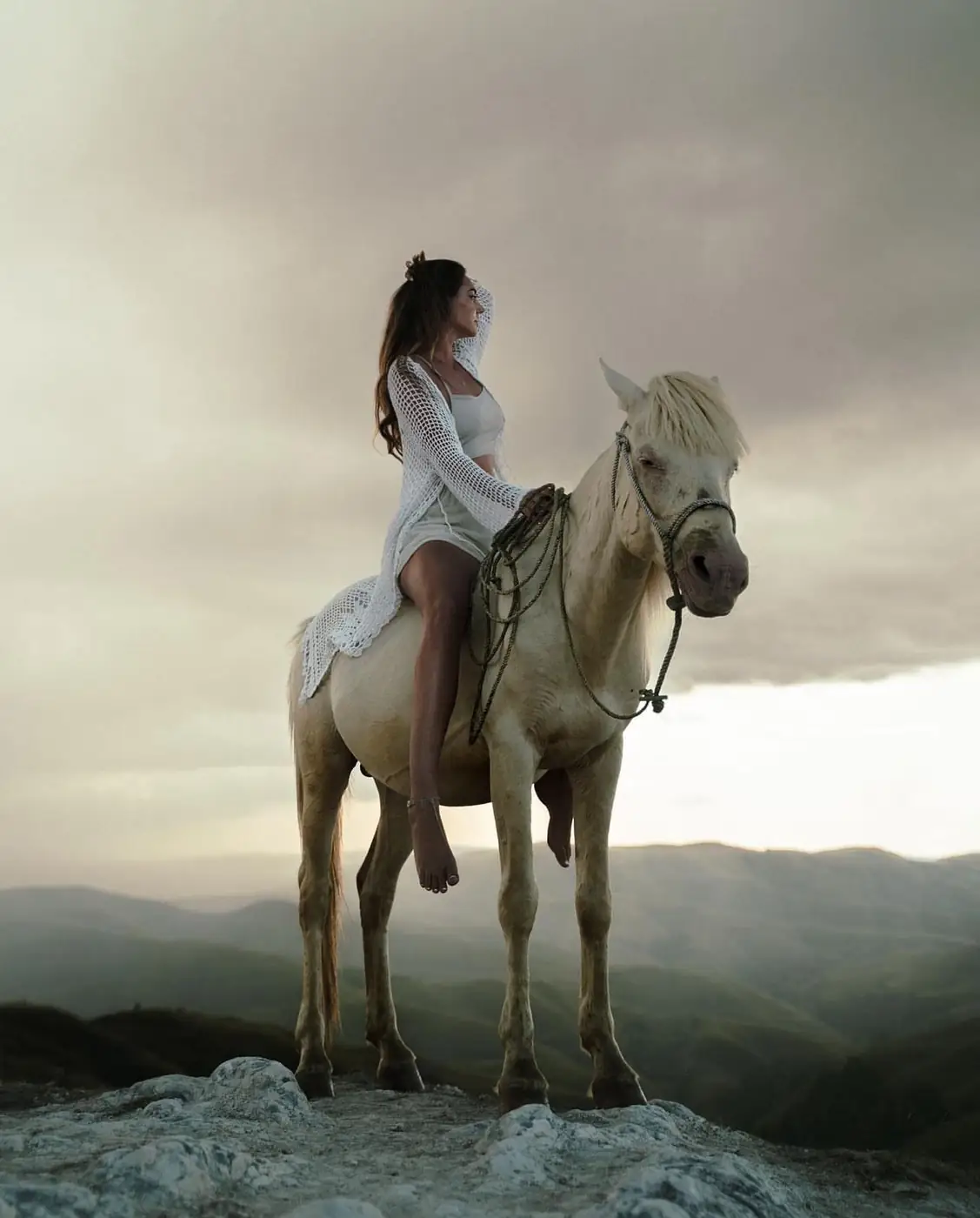
Most riders on my expeditions arrive alone. They worry about it for weeks, almost cancel, and by the second evening around the fire the worry is gone so completely they forget they carried it.
Read the full note
Expeditions · Practical
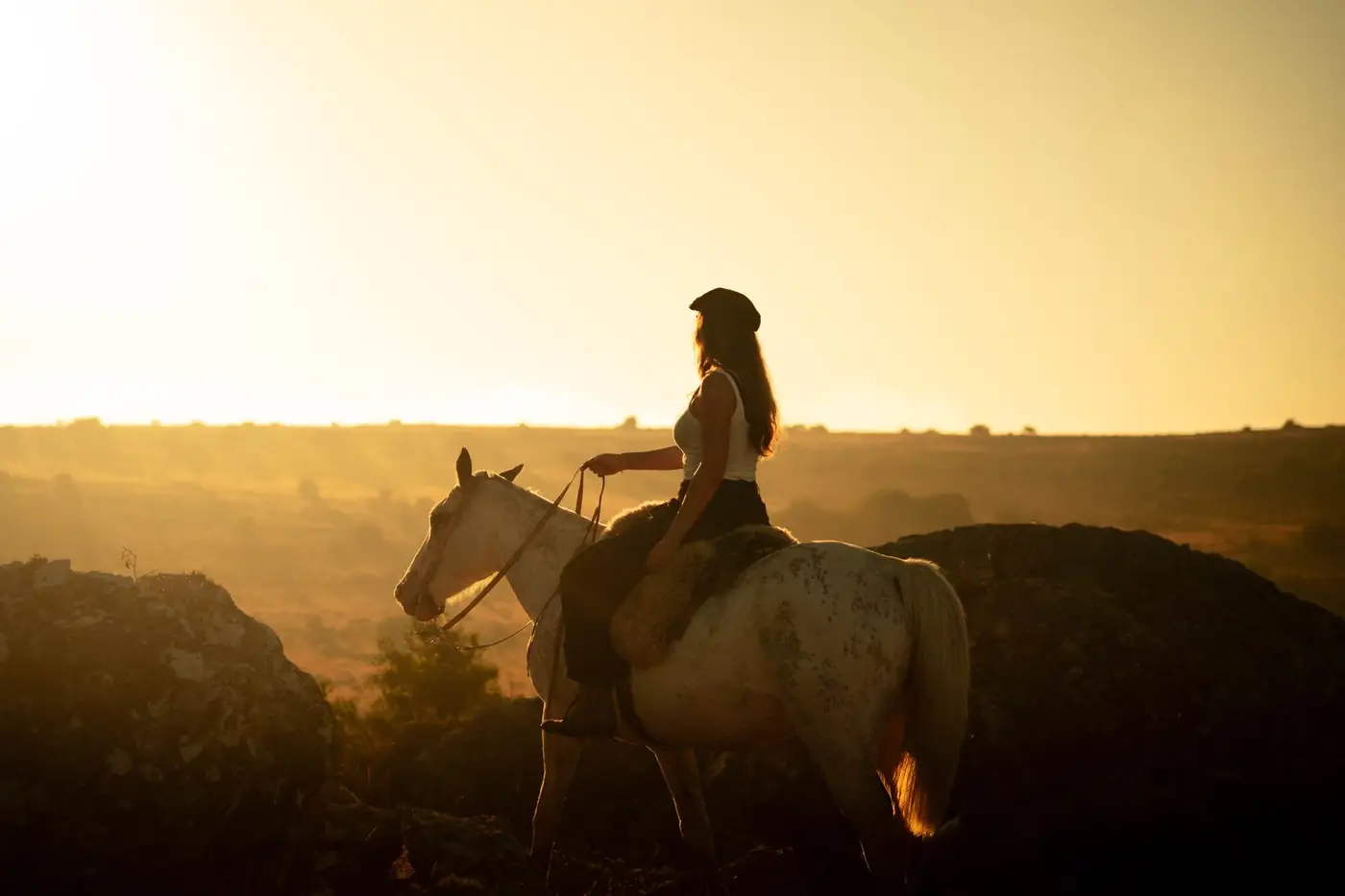
Am I good enough to come? If you can sit on a horse and you are willing to be a beginner at something for a week, you are. The horses are not looking for a perfect rider. They are looking for a calm one.
Read the full note
Nepal · Practical
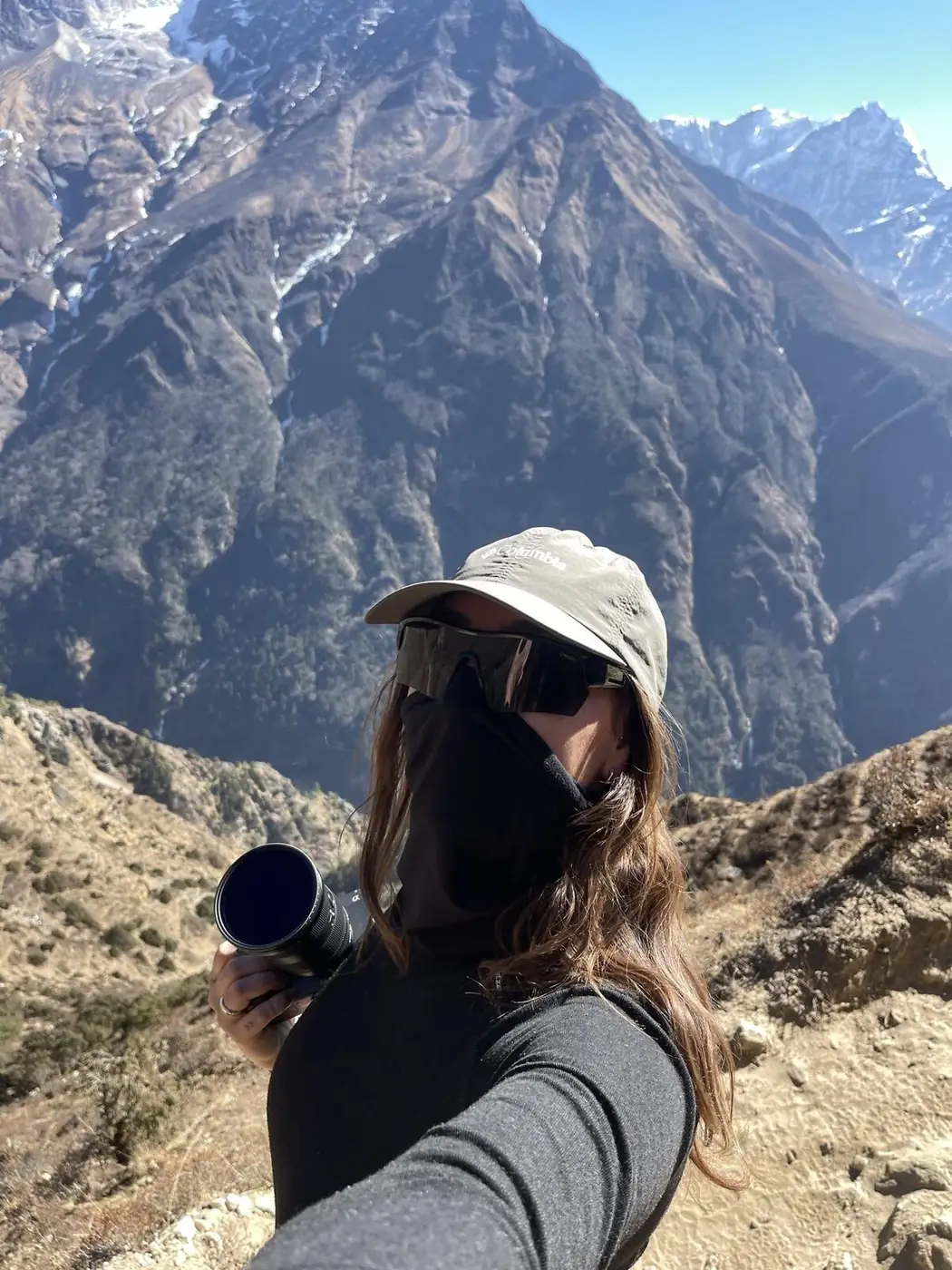
Above Lobuche every step becomes a decision, and no gym fitness exempts you. The trekkers I saw fail were almost never the unfit ones. They were the ones in a hurry.
Read the full note
Bali · Travel Stories
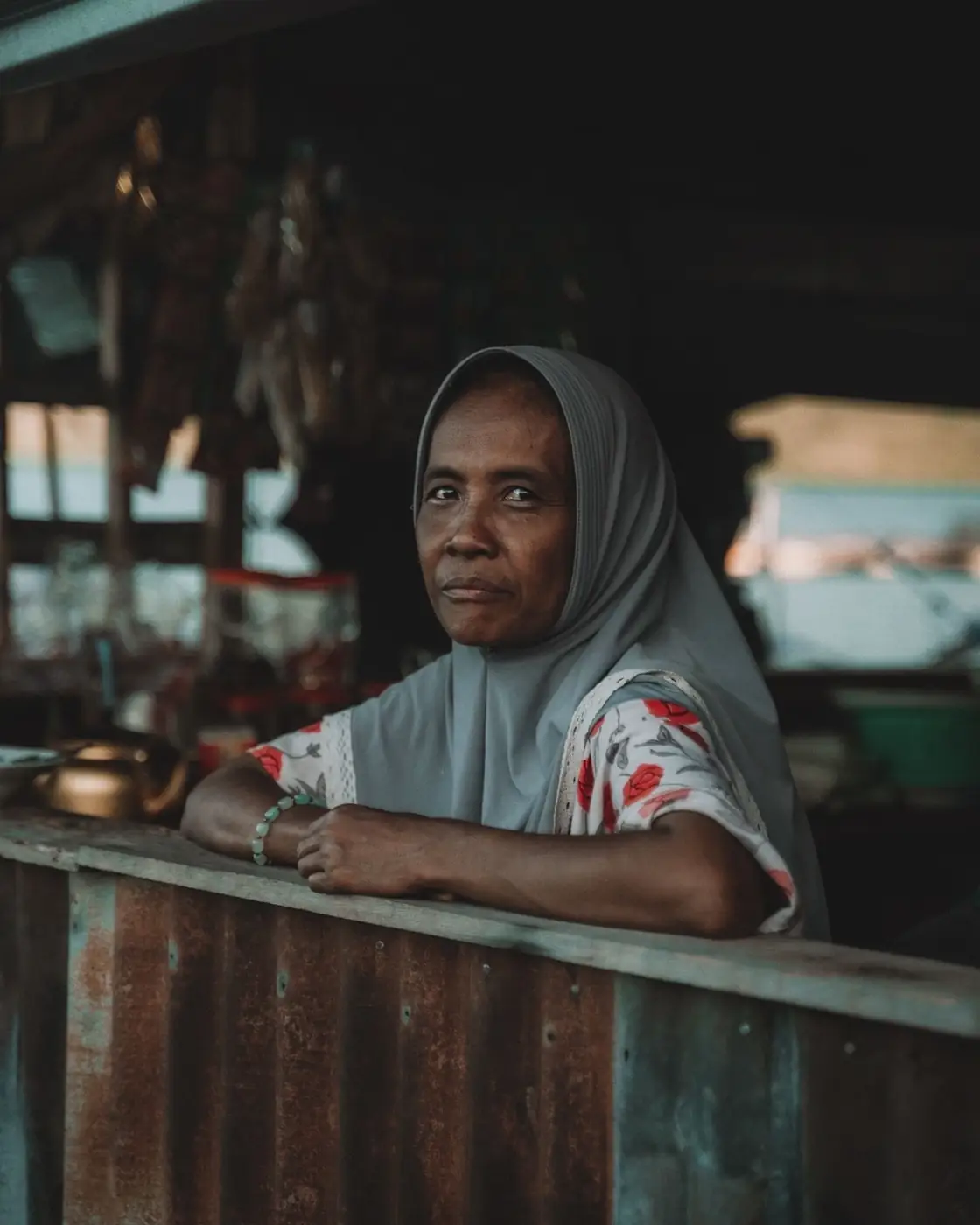
Bali has been my home base for over five years, and I have watched the island become a postcard in real time. The real island starts at the warungs, and my heart lives in Amed.
Read the full note
Patagonia · Travel Stories
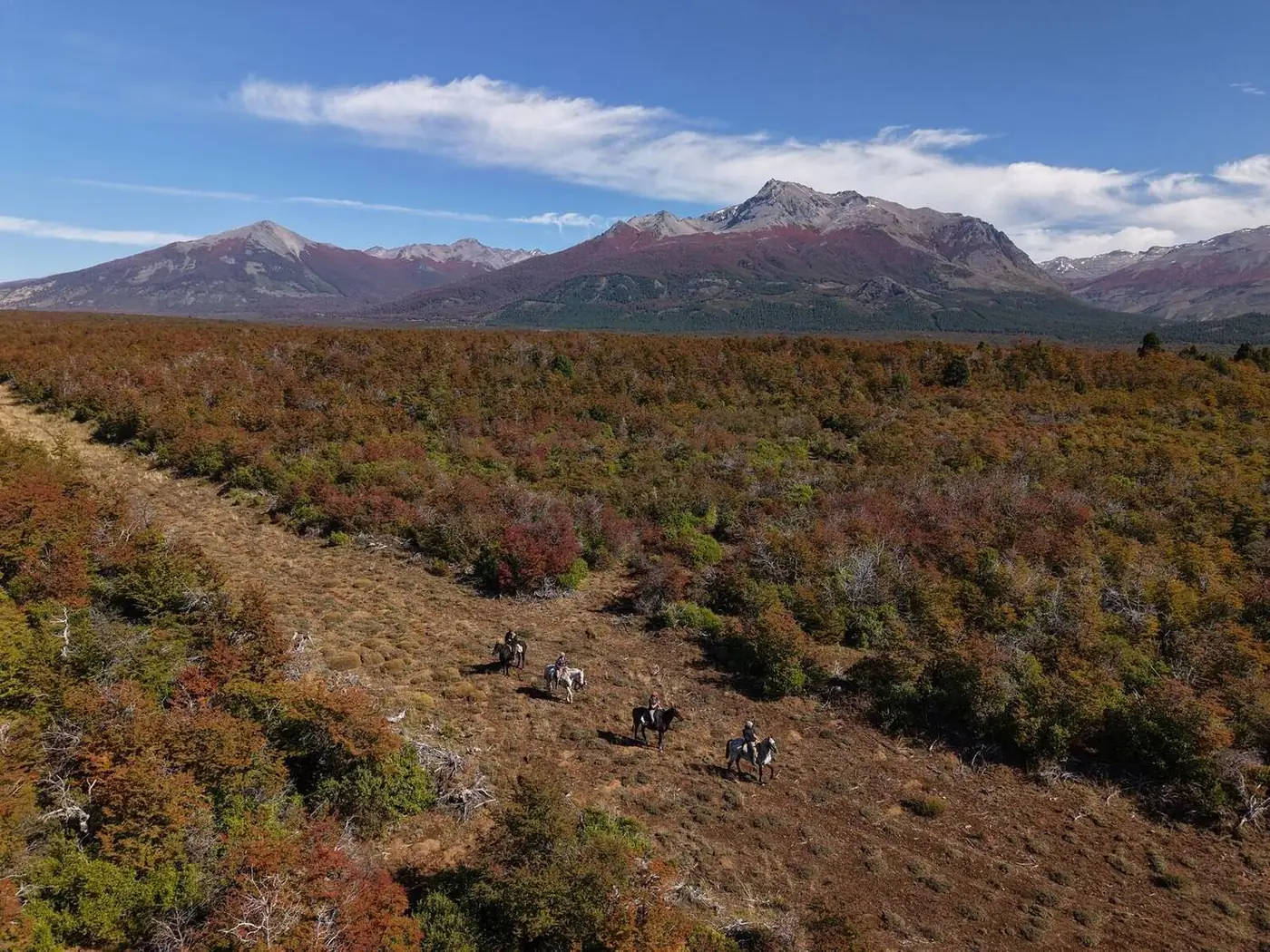
People hear Patagonia and see the postcard. The real version is better and harder: the wind, the distances, and a silence that is the deepest rest I have ever known.
Read the full note
Kyrgyzstan · Travel Stories
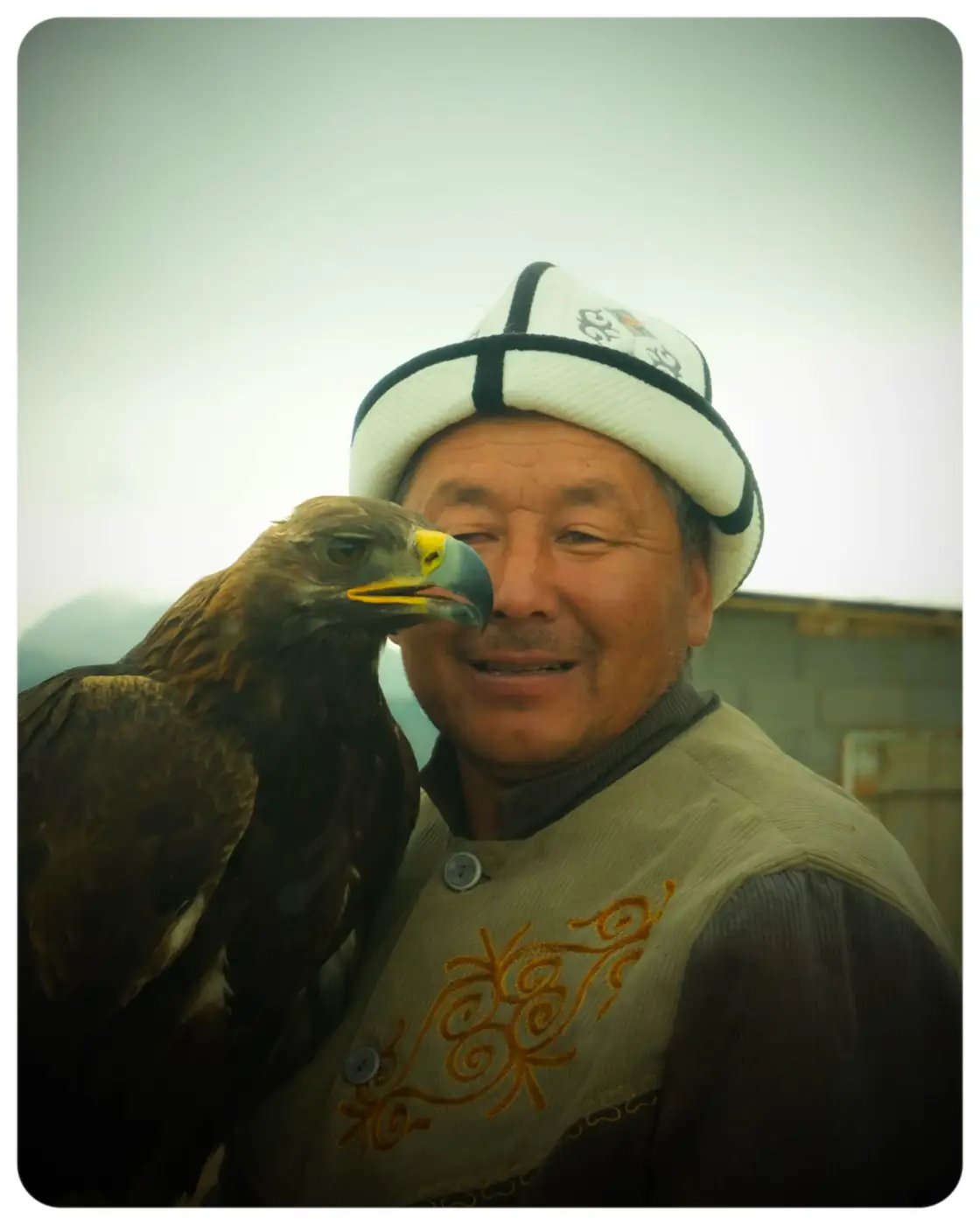
A golden eagle up close is not a pet. It is a wild predator that chooses, every day, to come back to the arm of one particular man. He does not own her. He has earned her.
Read the full note
On Building · Reflections
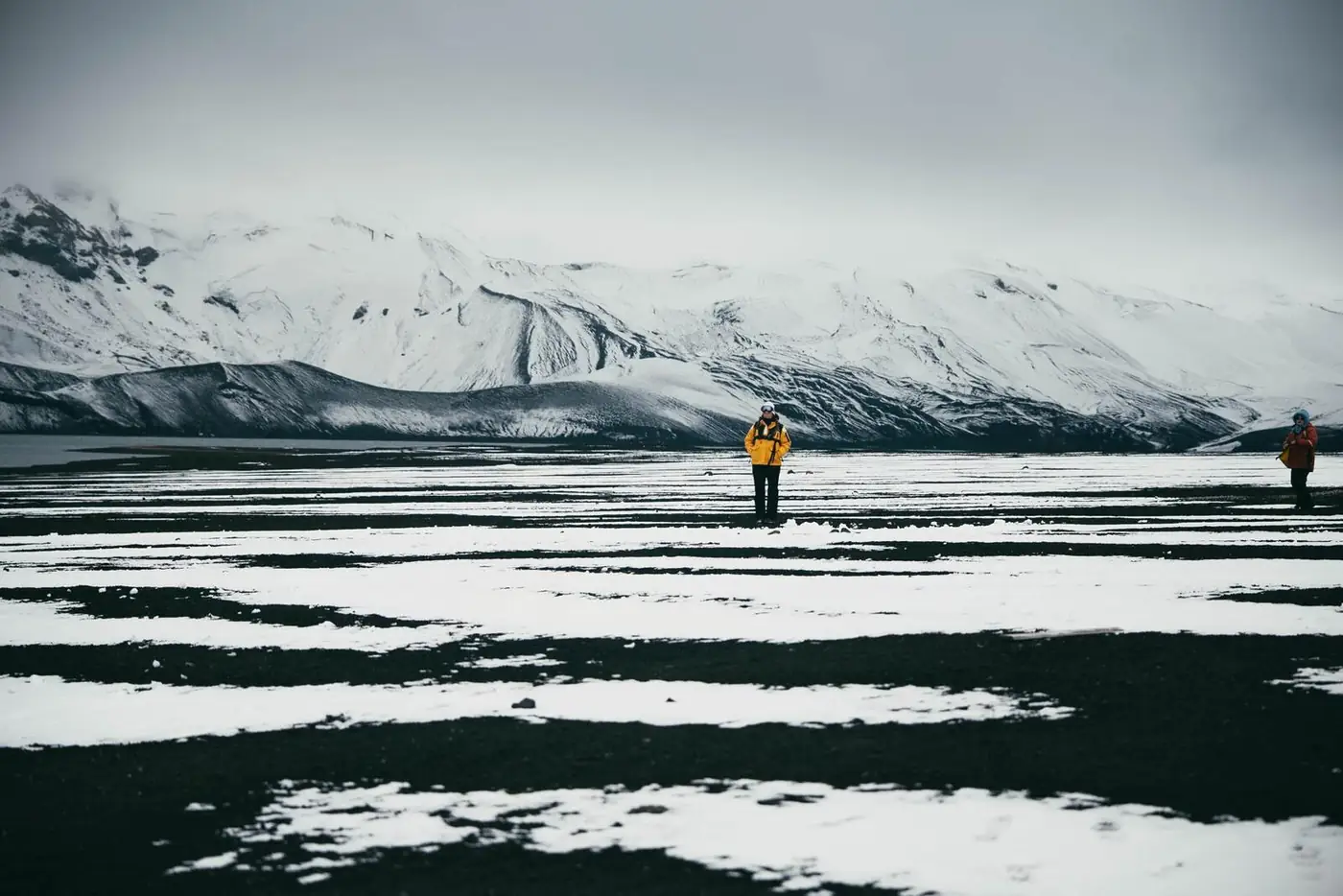
I went to sleep as a full-time creator. When I woke up, my Instagram account and six and a half years of work were gone. What survived the deletion changed how I build everything.
Read the full note
Currently Reading · June 2026
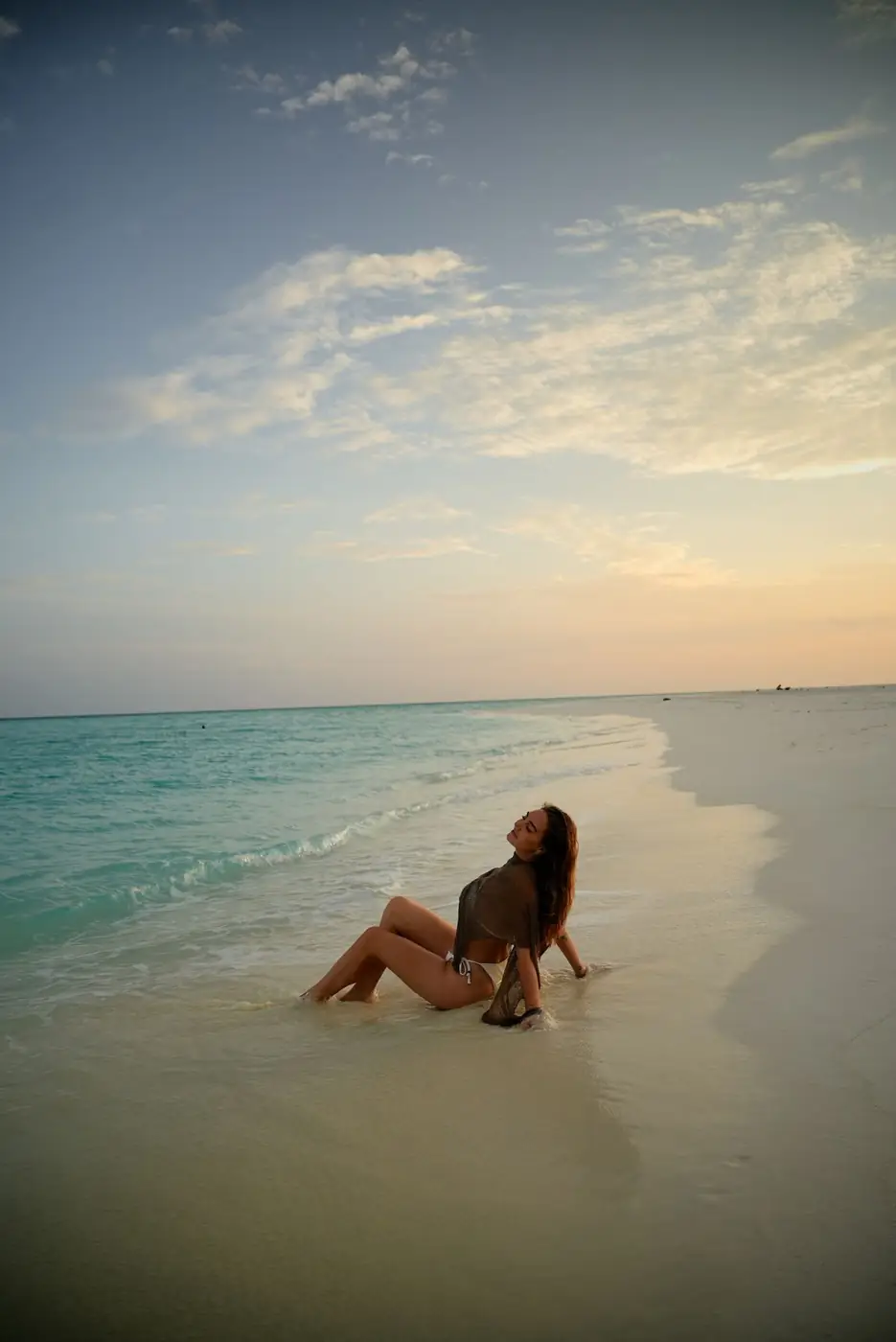
I am reading Let Them by Mel Robbins at the moment, and it keeps catching me off guard with how directly it speaks to the life I have chosen. When people doubt you, judge you, misunderstand the path you are on: let them. Their opinions were never yours to manage.
Read the full note
Antarctica · Reflections
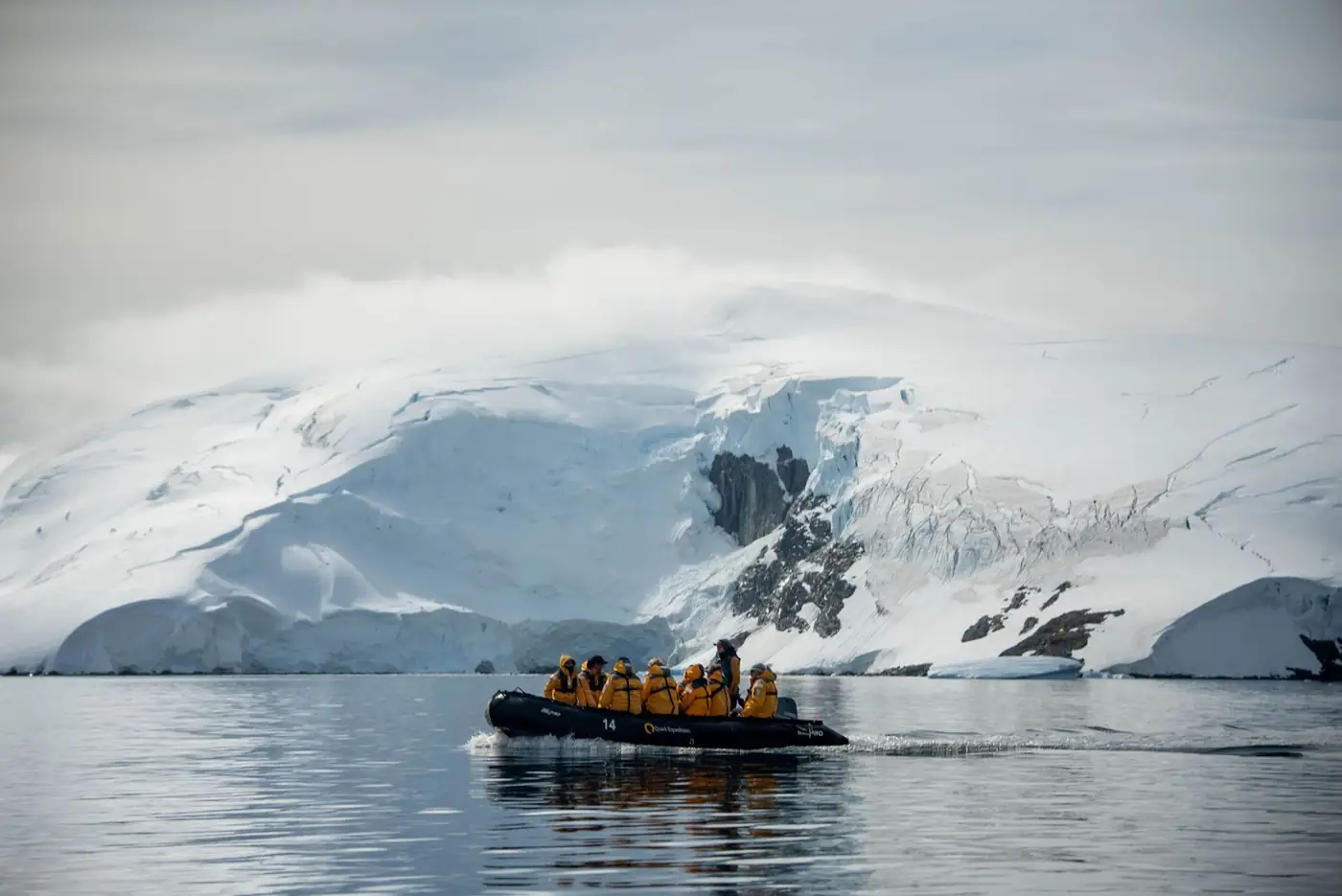
I expected Antarctica to feel like an achievement. Another far place reached, another line on the map. Instead it felt like being gently put back in my place. The ice does not care that you came a long way.
Read the full note
Uruguay · Travel Stories
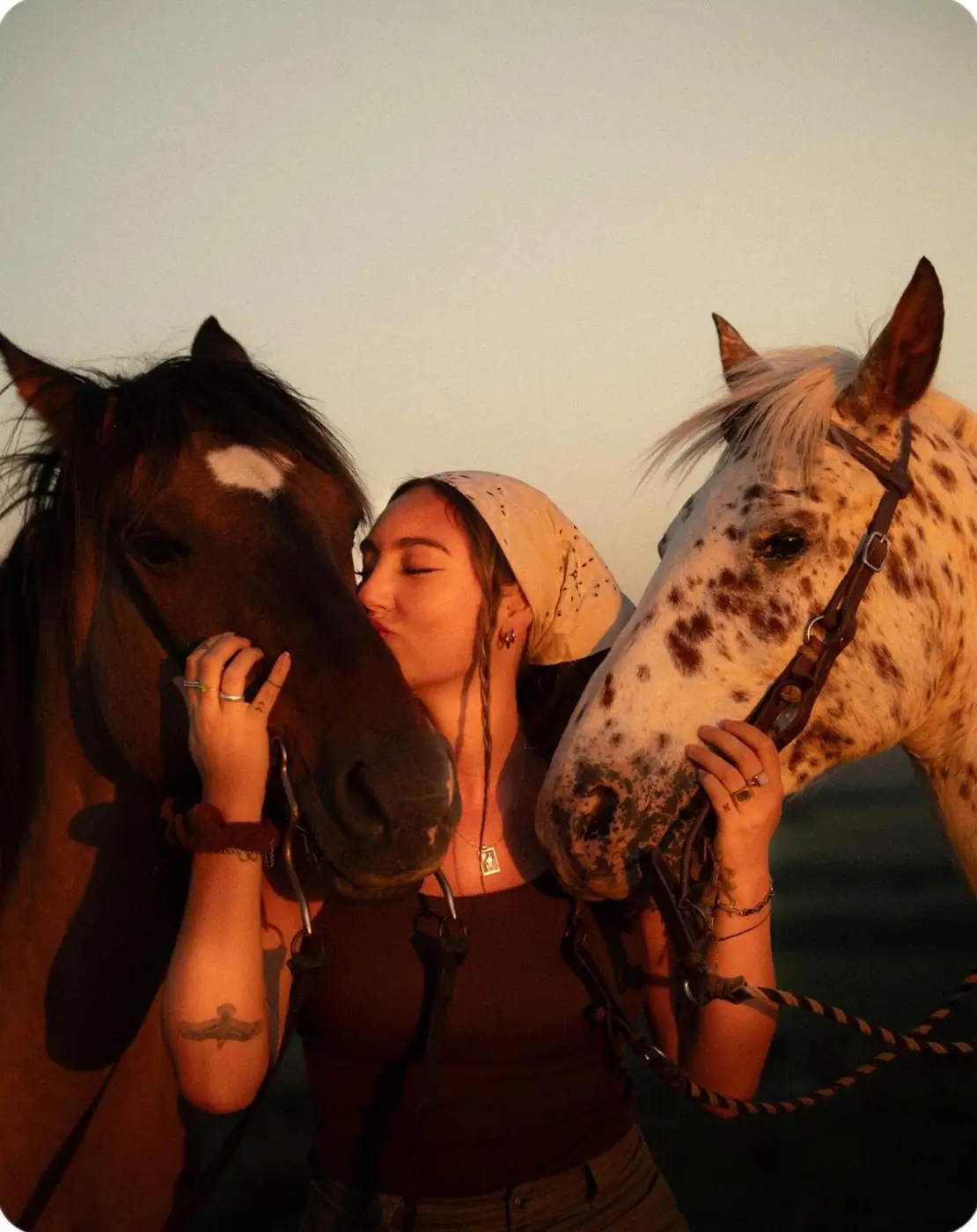
There is a ranch in Uruguay that changed the direction of my life. I arrived as a traveler with a camera, and somewhere between the morning rides and the evening fires I stopped being a visitor.
Read the full note
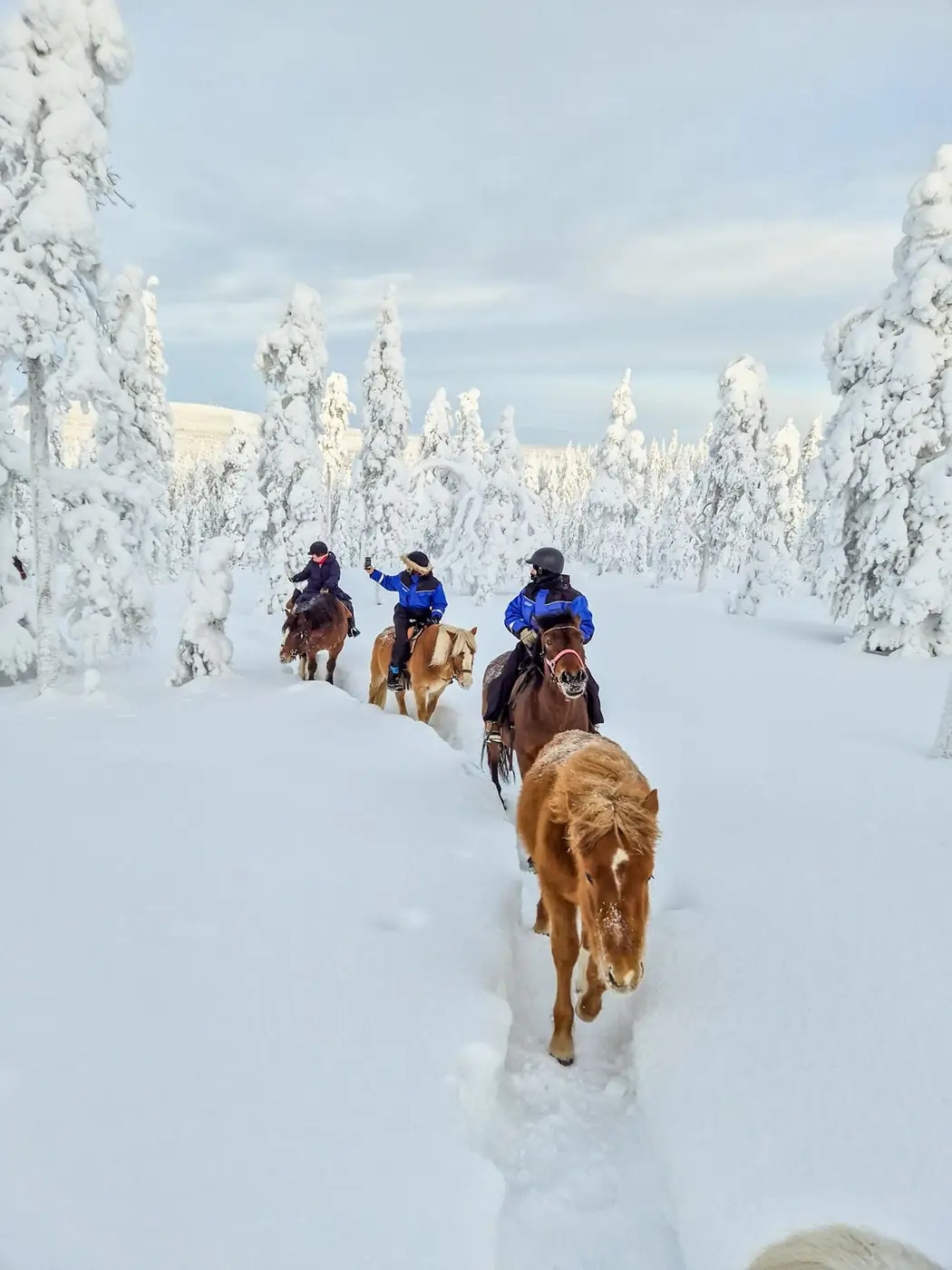
Lapland · Lessons From The Road
In Lapland the cold is not an enemy. It is a teacher with high standards. It asks you to prepare, to pay attention, to respect the day for what it is instead of what you wanted it to be.
Read the full note
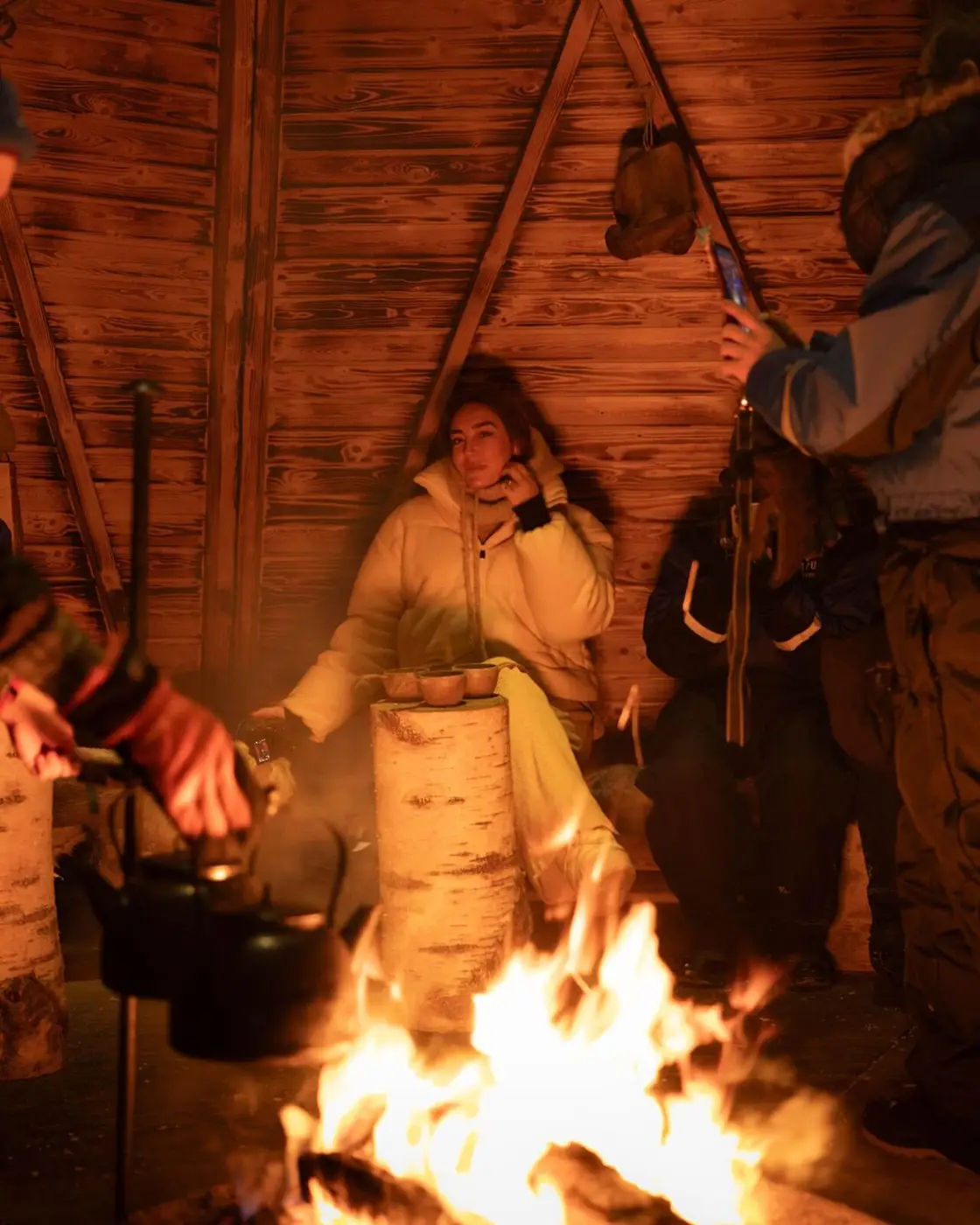
On Writing · Creativity
People imagine writing a book is like producing a very long video. It is not. A video forgives you. A book sits with the reader in silence and has nowhere to hide.
Read the full note
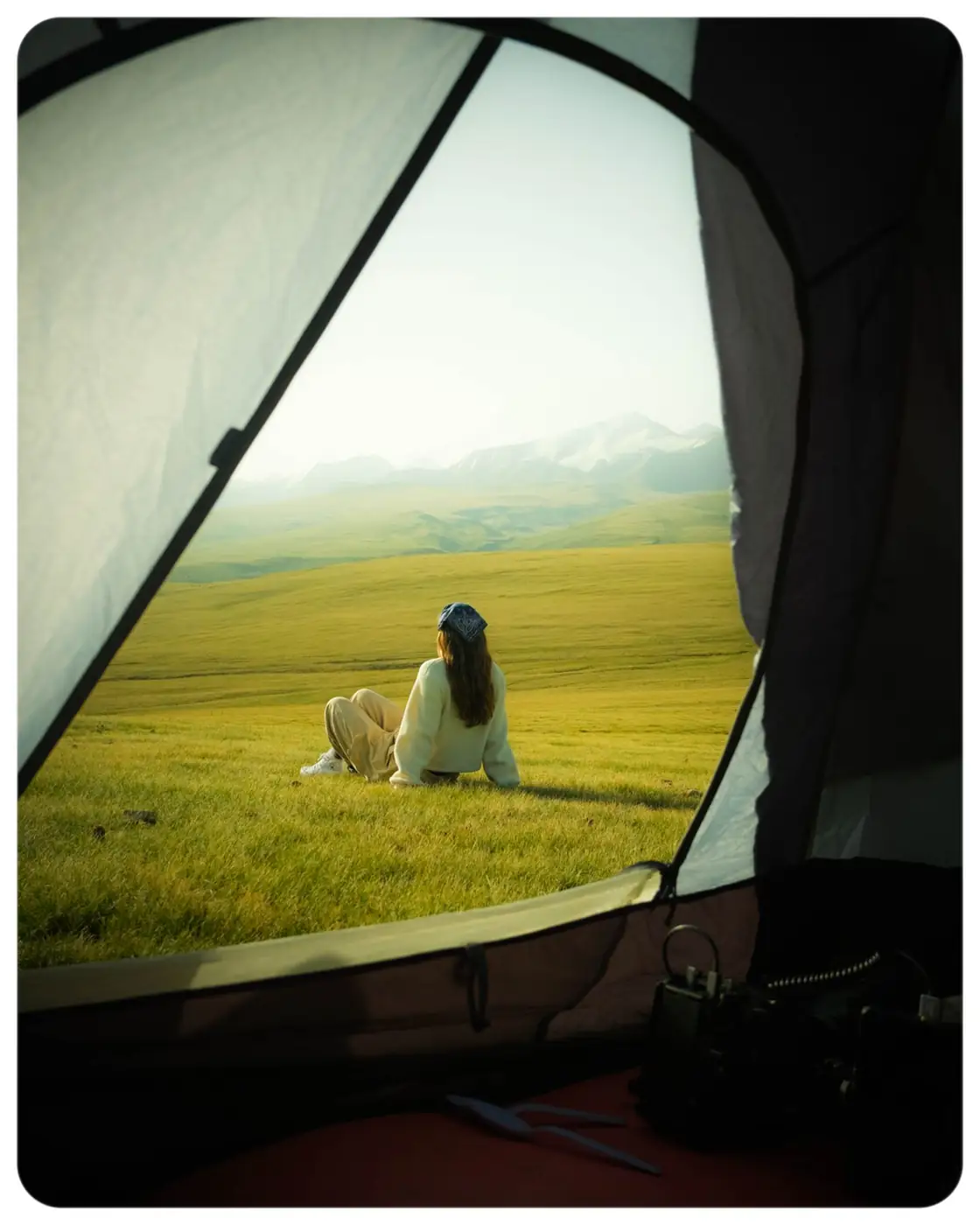
Reflections · From the archive
Everyone talks about leaving. Nobody talks about coming back. On the road you change in ways only other travelers understand. Then you come home, and everything is exactly as you left it.
Read the full note
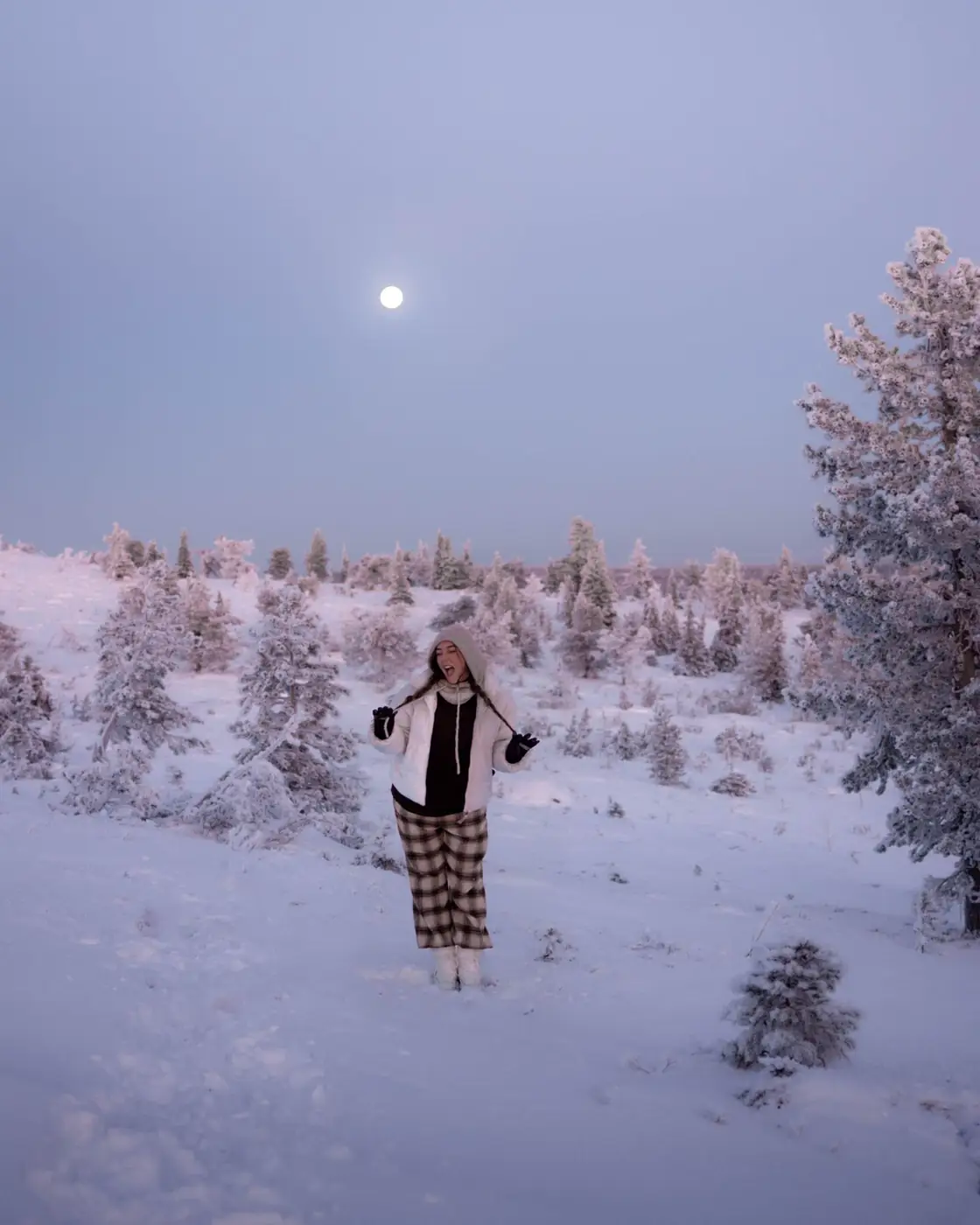
Self-Growth · Updated
I am often asked where my way of thinking comes from, and the honest answer is that a large part of it came from books read in hammocks, airports and tents. A few changed the direction of my life.
Read the full note
Creativity · From the archive
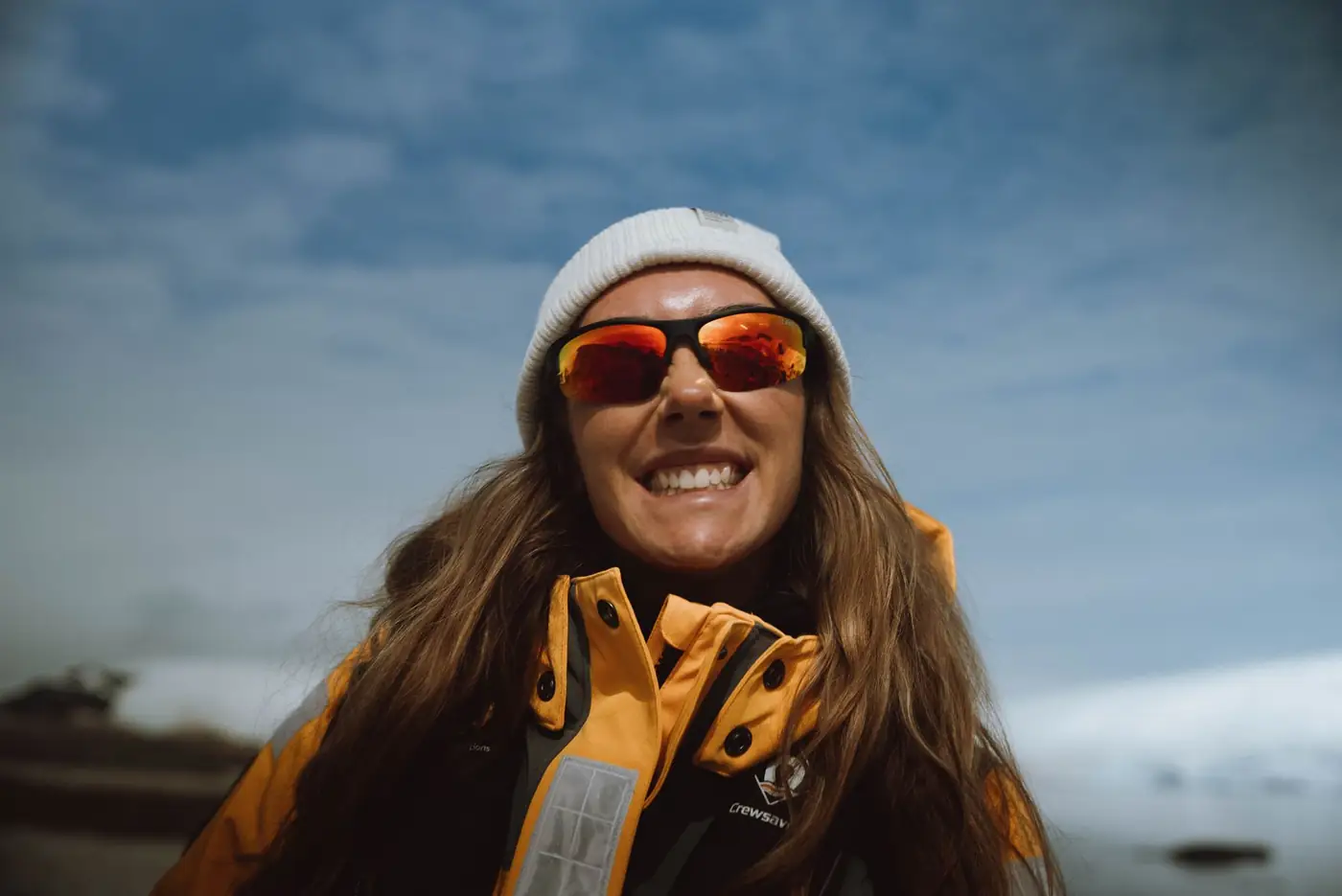
People assume the hard part of building a brand from the road is the WiFi. It is not. The hard part is staying yourself while the world keeps changing around you.
Read the full note
Creativity · From the archive
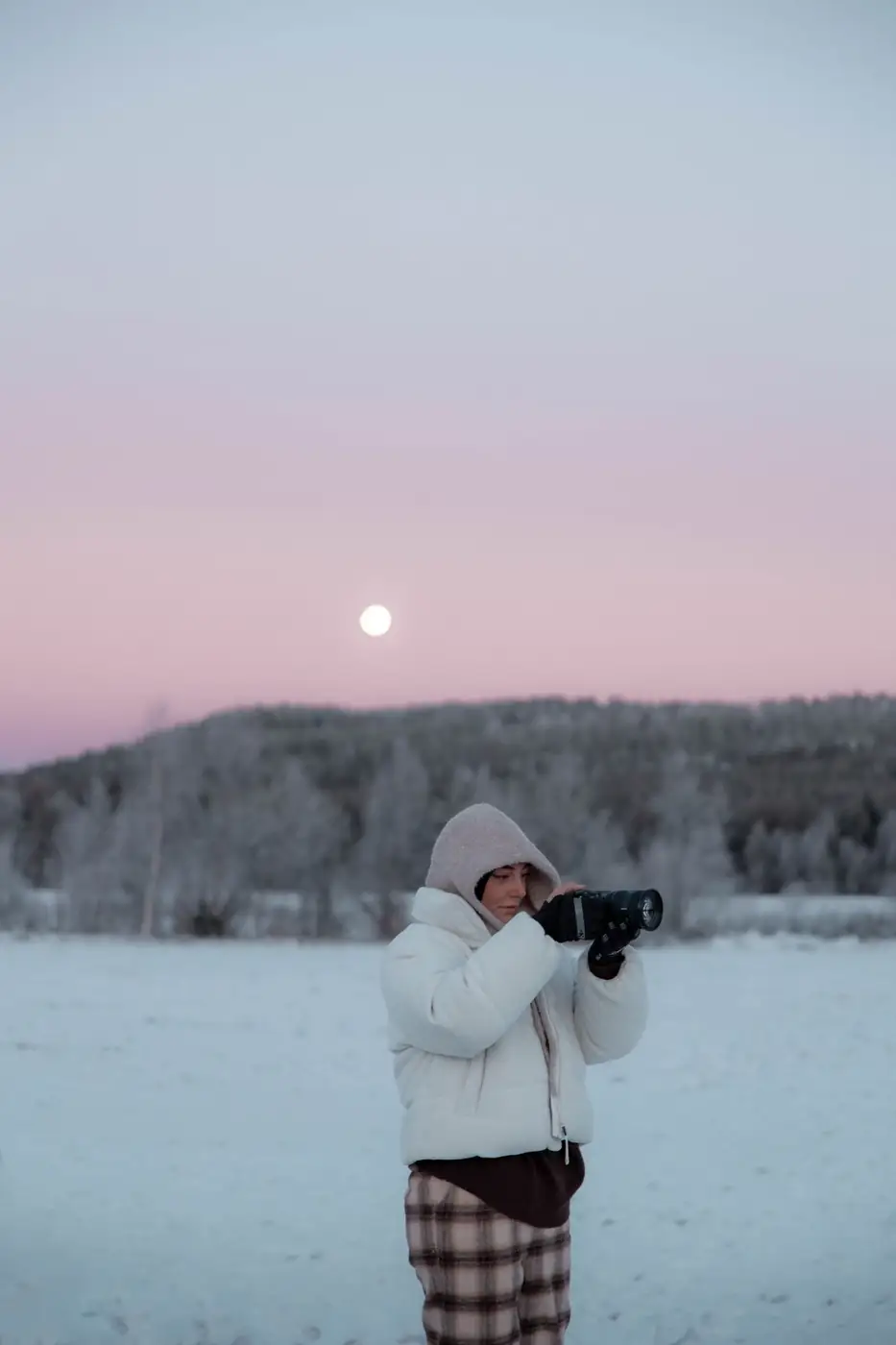
The films look effortless. The process is anything but. Boring habits, backups and systems are the reason years of work have never been lost to a stolen bag or a corrupted card.
Read the full note